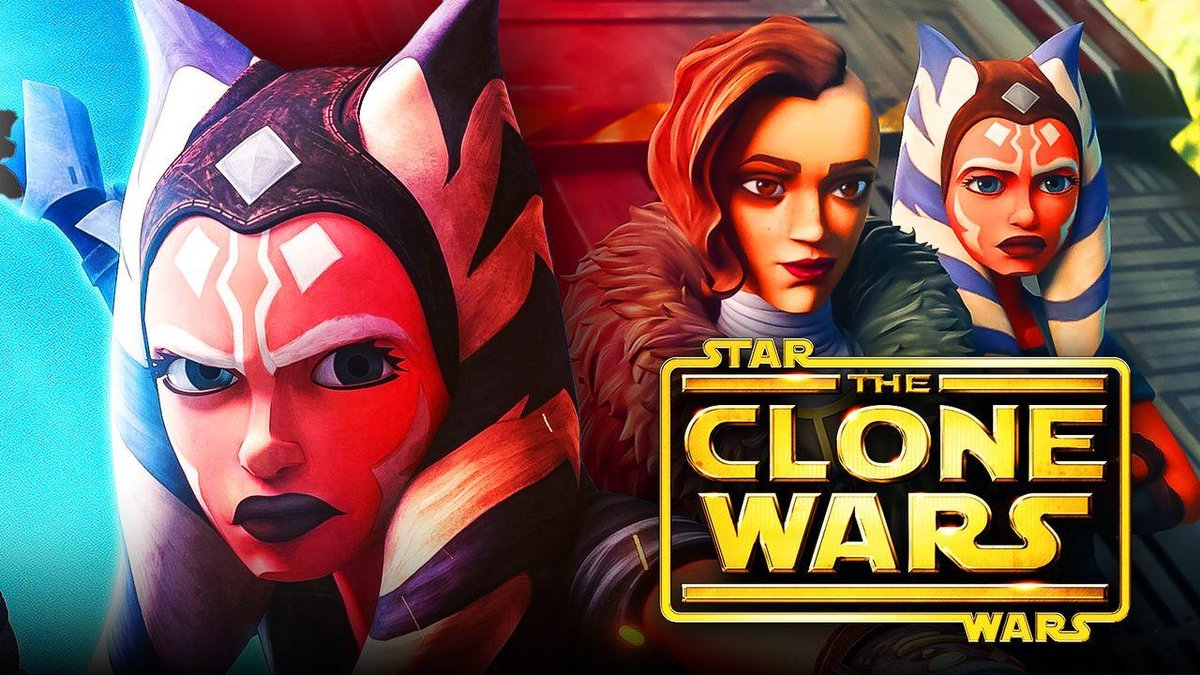
The final season of Star Wars: The Clone Wars arrived with a weight of expectation that few animated series ever carry, and its critical reception and fan reactions proved it was more than just a conclusion—it was a cathartic event. After years of hiatus, the show's return for Season 7 on Disney+ in 2020 wasn't just a nostalgic callback; it was a powerful, emotionally charged finale that delivered on a promise made nearly a decade prior, bridging crucial narrative gaps and solidifying its place as essential Star Wars storytelling.
At a Glance: Why Season 7 Struck a Chord
- Emotional Culmination: The season, particularly its final "Siege of Mandalore" arc, delivered a profoundly poignant and tragic end to the Clone Wars era.
- Narrative Bridge: It seamlessly connected the events of Attack of the Clones and Revenge of the Sith, enriching the prequel era.
- Character Focus: Ahsoka Tano and Commander Rex's journey through Order 66 was hailed as some of the franchise's best character writing.
- Visual & Audio Excellence: Elevated animation quality, dynamic cinematography, and a refined sound design set new benchmarks for animated Star Wars.
- Fan Service Done Right: The long-awaited conclusion honored the series' legacy and George Lucas's original vision, leaving fans deeply satisfied despite the heartbreak.
- Vader's Shadow: The chilling final moments featuring Darth Vader encapsulated the tragedy of Anakin Skywalker's fall.
The Unfinished Symphony: A Legacy Revived and Completed
For years, Star Wars: The Clone Wars was an unfinished masterpiece. Initially cancelled in 2013, leaving numerous story arcs unresolved, its eventual revival on Disney+ in 2018 for a final season was met with a mix of cautious optimism and fervent excitement. Fans had waited since 2014’s "The Lost Missions" for a true conclusion, and Season 7 represented the fulfillment of that long-held wish. This 12-year-old animated series had always served as a vital narrative link, meticulously detailing the war between the Galactic Republic and the Separatists, a period only hinted at in the live-action films. The final season not only brought closure but also elevated the entire saga, taking place concurrently with the devastating events of Star Wars: Revenge of the Sith and the galaxy-altering Order 66.
The anticipation surrounding Star Wars The Clone Wars Season 7 was immense, as viewers knew it would finally show the fates of beloved characters like Ahsoka Tano and Captain Rex during the Republic's darkest hour. The creative team, led by Dave Filoni, understood the weight of this responsibility, aiming to craft a finale that wasn't just good, but definitive.
Arc by Arc: Dissecting the Reception
Season 7 comprised three distinct story arcs, each contributing to the overarching narrative and building towards the inevitable tragic climax. The critical and fan reception evolved with each arc, culminating in overwhelming praise for the finale.
The Bad Batch: A High-Octane Opening with Heart
The season premiere kicked off with the "Bad Batch" arc, introducing Clone Force 99, a squad of clones with "desirable mutations." Tasked by Anakin Skywalker, these distinct individuals—Hunter, Wrecker, Tech, and Crosshair—were immediately embraced by audiences as "clone action-movie heroes." Critics lauded this arc for its dynamic action sequences, which showcased enhanced animation quality, surpassing even the impressive visuals of Star Wars Rebels. The use of over-the-shoulder camera angles and a restrained score, which highlighted impactful sound effects, gave the battles a gritty, cinematic feel.
Beyond the explosive action, this arc resonated deeply by focusing on the individuality of clones and the profound personal cost of the war. Captain Rex's theory about a captured comrade underscored the theme that each clone was more than just a number. The "Bad Batch" arc was praised for setting a high bar for the season, blending thrilling spectacle with the underlying emotional current that would define the finale. It was a strong reminder of what The Clone Wars did best: humanize the soldiers of the Republic and explore the moral complexities of war.
The Siege of Mandalore: A Masterclass in Emotional Storytelling
If "The Bad Batch" opened with a bang, "The Siege of Mandalore" ended with a soul-crushing whimper, resonating deeply with both critics and fans. The final four episodes, including the series finale "Victory and Death" released on Star Wars Day, May 4, are universally regarded as the show's crowning achievement. This arc focuses almost entirely on Ahsoka Tano and newly-promoted Commander Rex as they confront the former Sith Lord Maul on Mandalore, only for their victory to be overshadowed by the galaxy's darkest hour: Order 66.
The execution of Order 66, depicted from Ahsoka and Rex's perspective, was harrowing. The visceral portrayal of clone troopers, once loyal friends, turning against Ahsoka due to their implanted inhibitor chips, created an unbearable tension. Rex's desperate struggle against his own programming, and Ahsoka's race against time to remove his chip, was a masterclass in suspense and character development. Critics highlighted how effectively the arc balanced high-stakes action with profound emotional weight, forcing viewers to confront the tragedy of the clones as individuals. The series effectively uses a heavy red color palette throughout this season, drawing visual parallels to the grim events and overall tone of Revenge of the Sith, further immersing viewers in the impending doom.
The finale's climax, with Ahsoka and Rex forced to fight and kill their former allies to escape, powerfully illustrated the brutal end of the Clone Wars and the horrifying transition from the Galactic Republic to the authoritarian Galactic Empire. A particularly poignant scene, universally praised by fans and critics alike, shows Ahsoka burying the bodies of fallen clone troopers, placing her lightsaber amongst them. This act symbolized not just the end of the war, but the symbolic end of her Jedi path, a path she had already chosen to walk away from, now irrevocably severed by betrayal and loss.
The final moments of the series delivered a gut punch that cemented its legacy: Darth Vader arriving at the crash site, methodically surveying the wreckage, and finding Ahsoka’s abandoned lightsaber. A brief, haunting reflection in his helmet’s visor offered a fleeting glimpse of Anakin's internal conflict and mourning behind the mask, a silent acknowledgment of the master he once was and the apprentice he lost. This profound scene powerfully signified his final, complete consumption by the dark side, leaving audiences with a chilling, indelible image.
Why It Hit So Hard: Core Themes and Character Journeys
The overwhelming positive reception to Season 7 wasn't just about spectacle; it was about the culmination of years of meticulous character building and thematic exploration.
Ahsoka's Evolution: From Padawan to Paragon
Ahsoka Tano’s journey in The Clone Wars is often cited as one of the best character arcs in Star Wars history, and Season 7 provided her ultimate crucible. Her experiences with the Martez sisters, though sometimes debated by fans, set the stage for her detachment from the Jedi Order, making her a unique, morally ambiguous protagonist during the "Siege of Mandalore." Her resilience, compassion, and tactical brilliance in the face of betrayal cemented her status as a fan favorite and a true hero, even outside the traditional Jedi framework. Her decision to bury her lightsaber was a powerful statement of her chosen path: not to be a Jedi, but to survive and find her own way in a galaxy consumed by darkness.
Rex's Loyalty and the Tragedy of the Clones
Commander Rex, another beloved character, served as the emotional anchor for the clones. His struggle against his inhibitor chip, and Ahsoka’s desperate efforts to save him, highlighted the humanity embedded within the clone army. Critics praised the show for consistently portraying the clones not as disposable soldiers, but as individuals with distinct personalities, hopes, and fears. Season 7 paid off this long-standing thematic thread, illustrating the immense tragedy of their forced betrayal, making their inevitable turn against the Jedi all the more heartbreaking. The "Bad Batch" arc, specifically, focused on clones as individuals, emphasizing the distinct characteristics and roles within the squad, further reinforcing this theme early in the season.
Anakin's Shadow: The Inevitable Fall
While Anakin Skywalker wasn't a central figure in the "Siege of Mandalore," his presence loomed large, especially in the context of the series running concurrently with Revenge of the Sith. The B-plot introduced in "The Bad Batch" arc, exploring Anakin's secret marriage to Padmé Amidala and his increasing frustration with the Jedi Code, served as potent foreshadowing. This subtle yet significant thread reminded viewers of the hero’s descent, culminating in the chilling final shot of Darth Vader. This thematic linkage deepened the emotional impact, transforming The Clone Wars from a mere war story into an integral part of Anakin Skywalker's tragic epic. George Lucas’s original vision for Star Wars as a grand, sci-fi serial with deep character writing found its full expression here.
Beyond the Screen: Fan Engagement and Community Impact
The anticipation for Season 7 wasn't just passive; it was an active, community-driven phenomenon. Social media buzzed with theories, discussions, and rewatches leading up to each episode. The decision to release the final episode on Star Wars Day, May 4th (May the Fourth Be With You), was a stroke of marketing genius that amplified its cultural impact. This symbolic release date transformed the finale into a communal event, allowing fans worldwide to experience and mourn the end of an era together.
The outpouring of fan art, analytical videos, and emotional reactions post-finale underscored the deep connection viewers had forged with these characters and this story. The Clone Wars had always been lauded for fulfilling George Lucas's original vision for Star Wars as a sci-fi serial, and its final season cemented its place in the pantheon of beloved Star Wars narratives, consistently featuring some of the franchise's best character writing.
Common Praises and Enduring Legacy
The critical reception for The Clone Wars Season 7 was overwhelmingly positive, with particular accolades reserved for "The Siege of Mandalore." Reviewers consistently highlighted:
- Unparalleled Emotional Depth: The arc was praised for its raw, unflinching portrayal of tragedy and betrayal.
- Stunning Animation and Direction: The visual upgrade, especially in the action sequences and character expressions, was frequently cited as a major strength.
- Masterful Pacing and Storytelling: The ability to weave intricate plots, develop complex characters, and culminate in such a powerful narrative was seen as a triumph.
- Perfect Conclusion: Many critics stated that Season 7 provided a more satisfying and emotionally impactful conclusion to the Clone Wars saga than even Revenge of the Sith itself could offer alone, enriching the entire prequel era.
While some minor criticisms occasionally surfaced regarding the "Martez Sisters" arc (for perceived pacing issues or tonal shifts), these were largely overshadowed by the effusive praise for "The Bad Batch" and the monumental "Siege of Mandalore." The season's ability to tackle mature themes within an animated format, to humanize conflict, and to deliver a truly epic conclusion solidified its status as a landmark achievement in animation and science fiction.
Lessons from the Grand Finale: What Other Storytellers Can Learn
The overwhelmingly positive critical reception and fan reactions to The Clone Wars Season 7 offer invaluable lessons for creators aiming to deliver impactful, long-awaited conclusions:
- Honor Your Legacy, Don't Just Replicate It: The final season didn't shy away from the darker aspects of the Star Wars universe or the established canon. Instead, it embraced them, using pre-existing narrative beats (like Order 66) to elevate its own story, rather than simply retread familiar ground. It provided new perspectives on known events.
- Character-Driven Emotional Resonance is King: Even with epic battles and galactic stakes, the core of Season 7’s success lay in its focus on Ahsoka, Rex, and the individual clones. Their personal journeys, struggles, and sacrifices were what truly resonated with audiences, proving that strong character writing can anchor even the grandest narratives.
- Visuals and Sound are Storytelling Tools, Not Just Embellishments: The enhanced animation, dynamic cinematography, and meticulous sound design were not just eye candy; they actively contributed to the emotional impact and narrative tension. The strategic use of color palettes (like the heavy red linking to Revenge of the Sith) and a restrained score allowed visual and auditory cues to amplify the storytelling.
- Embrace the Bittersweet Ending: Not all conclusions need to be triumphant. The Clone Wars Season 7 delivered a profoundly tragic, yet ultimately satisfying, ending that reflected the nature of the war it depicted. It proved that audiences are willing to embrace sorrow and loss if the journey is meaningful and the conclusion feels earned.
- Fan Anticipation is a Force, Use It Wisely: The long wait for Season 7 created immense fan investment. The creators leveraged this by delivering a product that clearly understood and respected what fans loved about the show, while still pushing creative boundaries.
Looking Back and Forward: The Enduring Legacy of The Clone Wars
Star Wars: The Clone Wars Season 7 didn't just conclude a beloved animated series; it redefined the emotional landscape of the Star Wars saga. It offered a rare opportunity for closure that most cancelled shows never receive, and it seized that opportunity with breathtaking skill and heart. Both critical reception and fan reactions confirm its place as a pivotal piece of Star Wars lore, essential viewing for understanding the full tragic scope of Anakin Skywalker's fall and the true cost of the Clone Wars.
Its legacy extends beyond its own narrative, influencing subsequent Star Wars projects and solidifying the creative team's reputation for deep, character-driven storytelling. The final season serves as a powerful testament to the impact of animation as a storytelling medium, proving its capacity to explore complex themes, elicit profound emotions, and contribute meaningfully to a sprawling epic. For those who witnessed its return and its heart-wrenching finale, The Clone Wars Season 7 remains not just an ending, but an unforgettable journey into the heart of a galaxy forever changed.