Few shows in television history have experienced a revival as eagerly anticipated and profoundly impactful as Star Wars: The Clone Wars. After its initial cancellation, fans spent years yearning for a proper conclusion, and in 2020, Lucasfilm delivered with a glorious, heartbreaking final season. If you're looking to revisit those pivotal moments or understand the complete arc, you've landed in the right place. This comprehensive Star Wars: The Clone Wars Season 7 Episode Guide & Synopsis will walk you through every critical beat, ensuring you don't miss a single nuance of its powerful finale.
It wasn't just another season; it was the final bow, tying together loose ends, deepening character arcs, and delivering some of the most emotionally resonant storytelling in the entire Star Wars saga. From the gritty battlefields to the bustling underworld, and finally to the devastating crescendo, Season 7 is essential viewing for any true fan.
At a Glance: Why The Clone Wars Season 7 is Essential Viewing
- A Grand Return: After six years off the air, Season 7 brought The Clone Wars back for its long-awaited conclusion on Disney+.
- Three Powerful Arcs: The season is divided into three distinct, critically acclaimed story arcs: "The Bad Batch," "Ahsoka's Journey," and "The Siege of Mandalore."
- Key Character Development: Witness significant growth for Ahsoka Tano, Captain Rex, and introduce new fan-favorite clones.
- Direct Tie-ins: The season directly connects to Revenge of the Sith, providing crucial context and emotional weight to the film's events.
- Masterful Storytelling: Widely regarded as some of the best Star Wars content ever produced, particularly the final four episodes.
- Emotional Climax: Prepare for an intensely emotional and dark conclusion that perfectly encapsulates the tragedy of the Jedi Order and the rise of the Empire.
The Return of an Icon: A Bit of Context for Season 7
For years, The Clone Wars was the backbone of Star Wars lore between Attack of the Clones and Revenge of the Sith. Its abrupt cancellation after Season 5, with "The Lost Missions" of Season 6 serving as a bittersweet farewell, left a gaping hole in many fans' hearts. Stories were left untold, character fates unresolved. The demand for closure was immense.
Thanks to the launch of Disney+ and the unwavering vision of creators like Dave Filoni, the impossible happened. The Clone Wars returned, not just as an epilogue, but as a fully realized, twelve-episode seventh season designed to deliver the send-off the series – and its fans – deserved. This final run wasn't just a nostalgic trip; it was a testament to the power of committed storytelling, focusing on arcs that were always intended to be part of the show's grand design. It fills critical gaps, offering unparalleled insight into the final days of the Republic and the Jedi.
The Final Season Arcs: A Journey Through Three Crucial Stories
Season 7 meticulously unfolds across three distinct story arcs, each contributing vital pieces to the overarching narrative and leading inexorably towards the tragic events of Revenge of the Sith. Let's break them down.
Arc 1: The Bad Batch – Squad 99 Unleashed (Episodes 1-4)
This arc thrusts us back into the thick of the Clone Wars, showcasing the Republic's relentless fight against Separatist forces. It introduces Clone Force 99, affectionately known as "The Bad Batch" – a squad of genetically modified clones with unique skills and personalities. Their mission? To aid Captain Rex in uncovering a Separatist strategy that threatens to turn the tide of a crucial battle. This arc is a high-octane blend of action, strategy, and camaraderie, reminding us why we fell in love with the clones in the first place.
- Episode 1: "The Bad Batch"
- Synopsis: A distressed signal from Captain Rex leads Obi-Wan Kenobi and Anakin Skywalker to the planet Anaxes, where Admiral Trench's Separatist forces are outmaneuvering the Republic. To counteract this, Rex recruits Clone Force 99, an experimental unit of clones with genetic mutations, to retrieve critical intelligence from the Separatist flagship. The mission is risky, highlighting the unconventional tactics and unique abilities of Hunter, Wrecker, Tech, and Crosshair.
- Significance: Introduces Clone Force 99, showcasing their distinct personalities and combat prowess. Sets a high-stakes tone for the season with intense action.
- Episode 2: "A Distant Echo"
- Synopsis: The Bad Batch, accompanied by Rex and Cody, infiltrate Skako Minor to rescue the missing ARC Trooper Echo, who was presumed dead. Their search leads them to a Separatist cyber center, where they discover Echo has been integrated into Separatist technology, his mind being used to predict Republic strategies. The emotional reunion with Echo underscores the deep bonds within the clone ranks.
- Significance: Explores the emotional toll of war on clones and the ethics of advanced combat technology. Deepens Rex's character by showing his unwavering loyalty.
- Episode 3: "On the Wings of Keeradaks"
- Synopsis: With Echo rescued, the Republic commandos find themselves pursued by Trench's forces on Skako Minor. They must navigate the treacherous alien landscape, utilizing the planet's indigenous creatures, the Keeradaks, to escape. The clones' resourcefulness and teamwork are pushed to their limits as they try to get Echo to safety before the Separatists can reclaim him or his valuable information.
- Significance: A tense chase sequence that reinforces the "brothers in arms" theme and the desperate struggle for survival in war.
- Episode 4: "Unfinished Business"
- Synopsis: Back on Anaxes, Echo's unique insights, now free from Separatist control, are crucial to turning the tide against Admiral Trench. Utilizing his strategic foresight, Echo helps Rex and the Bad Batch devise a daring counterattack against Trench's flagship. The mission is a success, demonstrating the Republic's adaptability and securing a vital victory.
- Significance: Provides a satisfying conclusion to the arc, showcasing the strategic brilliance of the clones and reaffirming Echo's place among his brothers.
Arc 2: Ahsoka's Journey – A Walk in the Underworld (Episodes 5-8)
After her departure from the Jedi Order, Ahsoka Tano's path takes a drastic turn. This arc finds her trying to forge a new life on the gritty, crime-ridden lower levels of Coruscant, far from the war and the Jedi Temple. Here, she encounters the Martez sisters, Trace and Rafa, and becomes entangled in their struggles with local crime syndicates and their own complicated past. This arc is a stark contrast to the battlefields, exploring themes of morality, responsibility, and what it truly means to help others, all through Ahsoka's eyes as she navigates a world without the Jedi's clear-cut rules.
- Episode 5: "Gone With a Trace"
- Synopsis: Ahsoka, trying to live a normal life after leaving the Jedi, finds herself repairing her speeder in Coruscant's lower levels. She meets Trace Martez, a naive but aspiring mechanic who dreams of escaping the lower city. Ahsoka helps Trace with a difficult repair job, inadvertently stumbling into Trace's sister, Rafa, who is involved in shady dealings, leading Ahsoka to question her own neutrality.
- Significance: Reintroduces Ahsoka in a new context, highlighting her struggle to define herself outside the Jedi. Introduces the Martez sisters and the stark reality of life in Coruscant's underbelly.
- Episode 6: "Deal No Deal"
- Synopsis: Rafa, in desperate need of credits, takes on a dangerous job smuggling illegal "spice" for the Pyke Syndicate. Ahsoka and Trace are unwillingly dragged into the illicit trade. During the mission, Ahsoka's Jedi instincts clash with the sisters' more pragmatic, street-level morality, forcing her to confront the difficult choices people make to survive.
- Significance: Explores the moral ambiguities of the galaxy's underworld and Ahsoka's evolving perspective on justice outside the Jedi Order.
- Episode 7: "Dangerous Debt"
- Synopsis: The Martez sisters' deal with the Pykes goes south, leaving them deeply indebted and imprisoned on the Pyke homeworld, Oba Diah. Ahsoka, despite her desire to stay out of galactic conflicts, cannot abandon her new friends. She orchestrates an escape plan, facing the brutal realities of the Pyke Syndicate's operations and the dangers of their world.
- Significance: Escalates the stakes for Ahsoka, showing her commitment to those in need even when it puts her in danger. Reveals more about the cruel nature of organized crime.
- Episode 8: "Together Again"
- Synopsis: After a daring escape from Oba Diah, Ahsoka, Trace, and Rafa return to Coruscant, only to find themselves still pursued by the Pykes. They must work together to finally rid themselves of their debt and escape the syndicate's clutches. Ahsoka makes a crucial decision about her role in their lives, ultimately ensuring their safety before continuing her own journey.
- Significance: Brings the arc to a satisfying conclusion for the Martez sisters, while setting up Ahsoka's path to return to the larger conflict. Reinforces Ahsoka's compassion and growth.
Arc 3: The Siege of Mandalore – The Epic Conclusion (Episodes 9-12)
This is it. The culmination of everything. "The Siege of Mandalore" isn't just an arc; it's a cinematic masterpiece, running parallel to the events of Revenge of the Sith. Ahsoka is reunited with Bo-Katan Kryze, who seeks her help in liberating Mandalore from Maul's tyrannical rule. What begins as a desperate campaign to free a planet quickly intertwines with the galactic tragedy of Order 66, delivering an emotional gut-punch unlike anything seen before in the series. This arc is a masterclass in tension, character work, and sheer epic scale. If you're looking for the definitive experience of Star Wars The Clone Wars Season 7, this is where it truly shines, merging personal drama with galactic cataclysm.
- Episode 9: "Old Friends Not Forgotten"
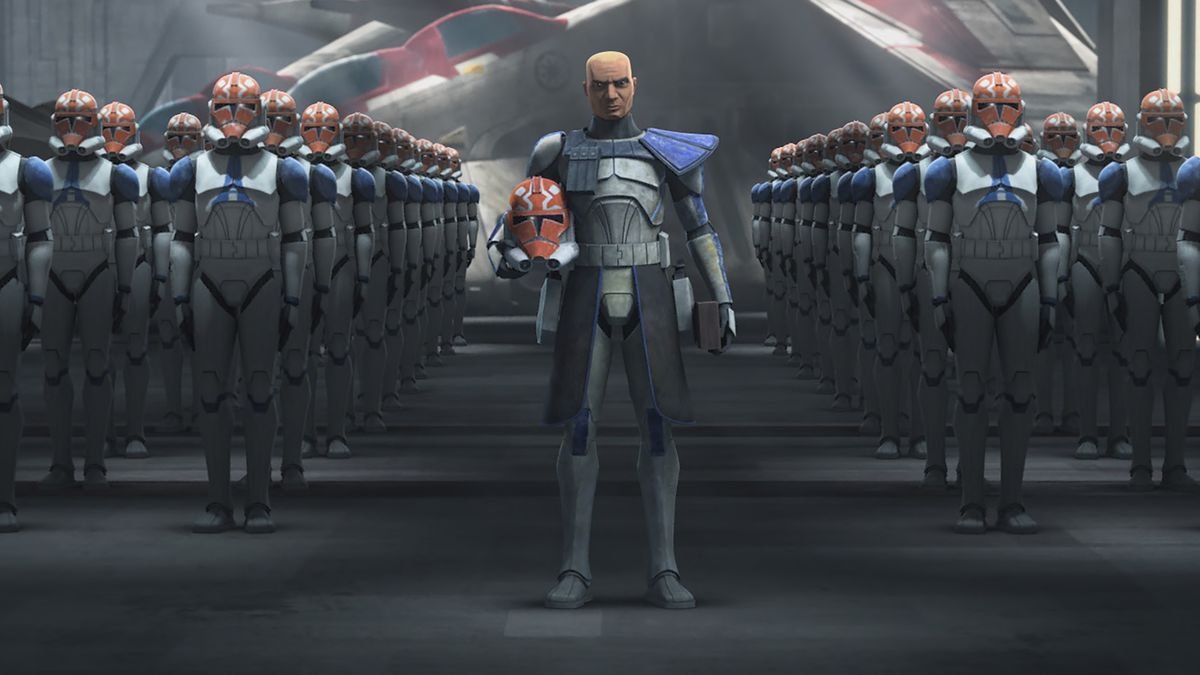
- Synopsis: Ahsoka is contacted by Bo-Katan Kryze and Commander Rex, who seek her help in liberating Mandalore from Darth Maul's control. Though hesitant to rejoin the war, Ahsoka agrees. Anakin Skywalker, before departing for Coruscant to rescue the Chancellor, grants Rex a detachment of clones, painted with Ahsoka's facial markings, to aid in the liberation effort. The invasion of Mandalore begins with a daring aerial assault.
- Significance: Marks Ahsoka's return to the war, her reunion with Rex and Anakin, and the start of the Siege. Establishes the high stakes and the direct timeline convergence with Revenge of the Sith.
- Episode 10: "The Phantom Apprentice"
- Synopsis: As the siege rages on, Ahsoka's forces push deeper into Sundari, Mandalore's capital. Ahsoka confronts Maul directly, who reveals his grand scheme to lure Anakin Skywalker to Mandalore to destroy him before Sidious can execute his master plan. Maul attempts to recruit Ahsoka, warning her of the Jedi's impending doom, but she refuses, leading to a breathtaking lightsaber duel between them.
- Significance: Features one of the most iconic lightsaber duels in Star Wars history. Maul's chilling prophecy foreshadows Order 66, increasing the tragic irony for Ahsoka.
- Episode 11: "Shattered"
- Synopsis: Maul is captured, and the Republic prepares to transport him back to Coruscant. However, during the journey, Ahsoka feels a terrifying disturbance in the Force as Order 66 is executed. Commander Cody's transmission cuts out, and then Rex's chip activates, turning him against Ahsoka. She must fight for her life against her former friend and his clone troopers, all while trying to understand the horrific betrayal unfolding across the galaxy.
- Significance: A harrowing and emotionally devastating episode depicting the immediate aftermath of Order 66 through Ahsoka's eyes. Rex's struggle against his inhibitor chip is heartbreaking.
- Episode 12: "Victory and Death"
- Synopsis: Ahsoka and a temporarily freed Rex must escape the Republic cruiser, which has become a deathtrap. Maul, released in the chaos, causes further destruction. In a desperate bid for survival, Ahsoka and Rex manage to crash-land the ship on a remote moon. The episode concludes with Ahsoka mourning the fallen clones, burying them and leaving her lightsaber behind, a poignant symbol of her broken past and uncertain future. Darth Vader's discovery of her lightsaber months later offers a chilling final tableau.
- Significance: The powerful, somber conclusion to The Clone Wars, perfectly aligning with the dark tone of Revenge of the Sith and setting up Ahsoka's eventual return in Rebels. A truly unforgettable, visually stunning, and emotionally resonant finale.
Why These Arcs? Understanding the Creative Choices
The decision to focus on these three specific arcs for Season 7 wasn't arbitrary. Dave Filoni and his team strategically chose them to serve several crucial purposes:
- Resolve Lingering Threads: The "Bad Batch" arc was a highly anticipated story from the "story reels" (unfinished episodes released online) and provided a definitive end for Echo's journey and introduced characters who would later star in The Bad Batch spin-off series.
- Ahsoka's Independent Journey: The "Ahsoka's Journey" arc was vital to showing what Ahsoka was doing immediately after leaving the Jedi Order and before she re-engaged with the main conflict. It solidified her independent identity and perspective, making her eventual return to the war even more impactful.
- Direct Tie-in to Revenge of the Sith: "The Siege of Mandalore" was the absolute priority. It was always intended to run concurrently with Revenge of the Sith, providing a parallel narrative to Order 66 and exploring its devastating effects on beloved characters outside of the main film. This arc serves as the true bridge between the prequels and the burgeoning Empire.
These choices ensured that the final season was not just fan service, but a crucial piece of the larger Star Wars puzzle, enriching the entire saga.
Beyond the Episodes: Unanswered Questions and Lasting Legacy
Even with such a definitive conclusion, The Clone Wars leaves us with reflections on what could have been and what its impact ultimately achieved. Unfinished arcs, like Cad Bane's fate or the true origins of Sifo-Dyas, remain tantalizing possibilities explored in other media or left to the imagination. Yet, the strength of Season 7 is that it delivered closure where it mattered most: the fates of Ahsoka, Rex, and the Republic itself.
The legacy of The Clone Wars Season 7 is profound. It cemented the show as one of the most important contributions to the Star Wars universe, demonstrating how animated storytelling can achieve cinematic scope and emotional depth. It elevated characters, broadened our understanding of the galaxy, and provided a heart-wrenching context for the fall of the Jedi.
Your Next Steps in a Galaxy Far, Far Away
So, you've journeyed through the final, crucial moments of Star Wars: The Clone Wars. What now?
If you haven't recently, a rewatch of Season 7, perhaps immediately followed by Revenge of the Sith, will offer an unparalleled viewing experience, highlighting the incredible narrative synergy. Consider diving into other Star Wars animated series, like Rebels, where Ahsoka Tano's journey continues, providing even more context to her character development. And for those who became enamored with Clone Force 99, the spin-off series The Bad Batch picks up almost immediately after the events of Season 7, exploring their lives in the nascent Empire. The stories never truly end in this galaxy, and Season 7 is a magnificent testament to that enduring spirit.